Showing posts with label Vocal Range. Show all posts

Vocal Range and Profile: So Hyang


Vocal Range: D3 - C#6 - A6 (3 octaves, 3 notes and a semi-tone)
Vocal Fach: Full-Lyric Soprano
Vocal Rating: Star

Vocal Positives: A well developed and technically sound voice. Impressive utilization of dynamics, and rhythmic motifs coupled with sound musical interpretation and knowledge. So Hyang is also a master of color manipulation, from light and airy to full and slightly metallic. From top to bottom, So Hyang maintains good intonation, incredible clarity, and decent agility.

By far the weakest area of her voice, So Hyang's lower register is weak and breathy beyond A3, but can extend down to D3. So Hyang understands this and rarely ventures into the region, instead opting for her middle and upper range.

As she ascends, her voice rapidly blossoms into a resonant, booming instrument with bright, feminine colors and incredible technical capacity. Here, So Hyang begins executing impressive dynamic feats without a hint of strain, executing crescendos and decrescendos as well as transitioning between registers without breaks or faltering intonation, showing how well connected and developed her range is (see Arirang Alone). A rolling vibrato begins to appear, and full breath support is present without exception.

Her incredible technical prowess is what allows her to soar into the soprano tessitura with resonance and freedom, being able to sustain passages at incredible heights (at and above F#5) without a hint of fatigue. She maintains incredible size up to G5, and though she thins above that point, she maintains excellent placement and mixing, allowing her to sustain notes in mixed voice up to C#6.

Her head voice is also wonderfully supported and executed, being bright and resonant up to E6, and maintains startling stamina throughout, sustaining C6s for up to 10 seconds. Above E6, her head voice becomes thinner and more string-like, reaching up to A6. As previously mentioned, So Hyang can transition both in and out of this register without issue, and shows fluidity.

Vocal Negatives: So Hyang tends to become overzealous with her upper belts, and intonation can be spotty in the upper reaches of her mixed and head voice, though usually only for brief periods. Her lower register is also weak and lacks solid breath support.

D3 - C#6 - F6


E3 - C#6 - A6


Star List Qualities:


Vocal Range and Profile: Aretha Franklin


Vocal Range: E2 - D6 - E6
Vocal Fach: Falcon Soprano (4 octaves)
Vocal Rating: Star

Positives: A rich, heavy and dark voice. Legendary interpretive wit, thanks to incredible knowledge of musical phrasing and vocal pedagogy. Franklin crafted incredible phrases by utilizing rhythmic variations and motifs, dynamics, articulation, vocal colors and drives to create original and brilliant phrases. 

Her melismatic prowess brought the melisma into popular music, with her incredible pearl-like clarity, fluidity and agility. Great articulation and diction that allowed for scatting and color experimentation. A flawlessly balanced voice within every part of the scale.

An incredible lower register that was rich and warm, hit with a neutral larynx, and was reached with incredible ease and accuracy, shown by Franklin's ability to sing melisma in this area with startling intonation accuracy. Projecting down to G2 and robust down to C#3, this explosive lower register contributes to Franklin's fach as a Falcon soprano.

As she ascends, Franklin's vocal colors continue to blossom, showing off a slightly nasal but thunderous middle register. The belting register displays incredible freedom, resonance, elasticity and fluidity, soaring into a perfect mixed voice.  This register is full and projected throughout, relying fully on breath support. Franklin's technique can attest to her ability to sustain each note in this area up to D6. This area also gains a slight, airy rasp before becoming grittier around G5, and a wide rolling vibrato.

Though her tessitura lies in the mezzo-belting range, her belting range and weight soars into that of a Spinto Soprano (also making her a Falcon).

Her head voice is seamlessly connected to the rest of her range, showing incredible control of her passagio. It's bright and full, with the rich rolling vibrato seen in the chest voice.

Negatives: As she has aged, her voice has lost its power and rich color. Her belting can also become overbearing to some. The rasp of the chest voice somewhat hinders the clarity of the belts.

Vocal Range and Profile: Liam Payne (One Direction)


Vocal Range: C#2 - C5 - Bb5 (B5)
Vocal Type: Lyric Baritone (3 octaves, 4 notes and a semi-tone)
Vocal Rating: A-List

Positives: Robust, clear lower register that is projected well, often being the bass of harmonies in his group. This area is achieved with great technique and support down to F#2. A highlight of the voice.

Slightly brightening as he ascends, the middle register still maintains ease and displays a warm, masculine tone. Though he gains a slight (pushed) rasp above E4, his voice remains open, projecting well. Unlike the rest of One Direction, Payne has a well-developed mixed voice, allowing him to access a clean, head-dominant C5 belt. 

A light, warm falsetto that Payne has no issues staying in for extended periods. This area possesses a soft vibrato and is reached with ease until around Eb5 when Payne needs more volume to phonate.

Solid understanding of musical phrasing, being considerate to the music by changing vocal colors, texture, and dynamics.

Negatives: The upper extremes of the falsetto are unstable and undeveloped, and the chest register thins considerably as he ascends. Though he mixes at the extremes of his chest voice, the rest of the belting range could use a more even mix.


C#2 - G4 (C#5) - G5


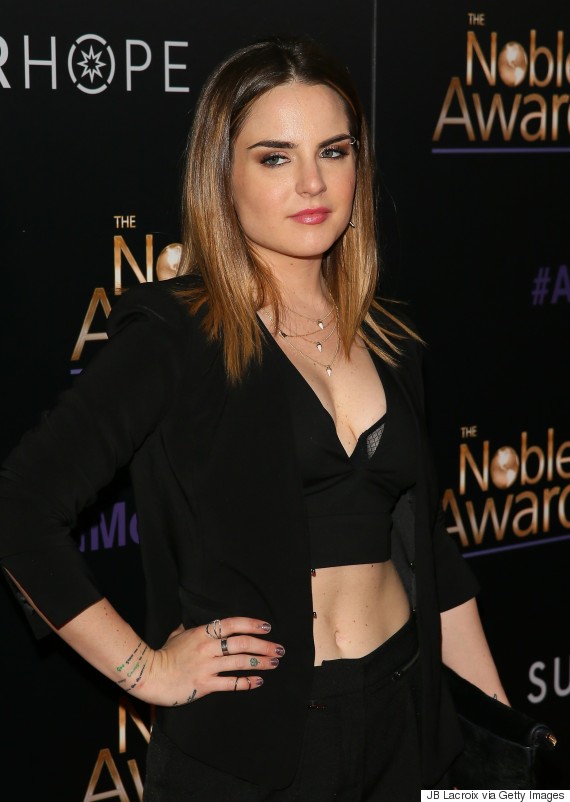
Vocal Range and Profile: JoJo


Vocal Range: A2 - G5 - C#7
Vocal Type: Lyric Mezzo-Soprano (4 octaves and 2 notes)
Vocal Rating: A-List
Recommended Listenings: Too Little Too Late, Limbo, All I Want Is Everything, Save My Soul

Positives: Incredible clarity throughout her range. Her melismas maintain a pearl-like clarity, fluidity, and even-ness throughout her chest voice and head voice. This agility has continued to improve over time. Soild stamina and breath support.

The lower register is strong and supported, and maintains the aforementioned clarity down to C3, while being able to consistently reach B2. These notes are achieved with a neutral larynx down to D3 and avoid sounding forced.

Her middle register/belts is/are warm, bright and glimmering, with a healthy placement, mixing and vibrato. This area is projected well (and has been projected better over time), being resonant and rarely strained. This is where her voice truly shines. Her upper-belts though outside of her tessitura, have shown potential to resonate, with an ability to stay in this register for extended periods (Limbo).

Her head-voice is well explored and connected, remaining feminine and agile throughout. The whistle register, though rarely explored, is piercing with a rolling vibrato.

Negatives: Her upper chest voice is where her technique suffers: belts above D5 begin to sound shouty and throaty, with her placement trying to compensate for her carrying too much weight too high into her upper belts. Her mixed voice could use development. Nasality is also an issue at points, notably in her upper chest voice.


B2 - F#5 - C6


A2 - G5 - B5


Vocal Range and Profile: Jessie J


Vocal Range: C#3 - Bb5 - C6 (Eb7)
Vocal Rating: A-List

Positives: A very fluid voice with an underestimated rock edge. Great fluidity, capable of singing incredibly long and complicated melismas with ease. She is able to utilize this ornament in all areas of her voice. She has explored the whistle register with exclamations, occasionally glissing into the 7th octave.

The lower register while the weakest part of the range, can have a slow vibrato applied to it. The mid-range gains healthy resonance, and it where the voice sounds its healthiest, accompanied by Jessie's lightning fast diction and rhythm. The upper chest voice maintains this piercing quality, though it noticeably thins above E5 and Jessie slides into a mixed voice.

Negatives: Notes above E5 can become shrill and thin, and are often squeezed, making them unpleasant to the ear while low notes (below F3) lack resonance and are breathy. Jessie also lacks restraint, struggling not to rely on melismas to impress. Her vibrato and its speed can also be polarizing (often being too fast).


Her 7th octave glissandos aren't being counted because they're not being sung in a key, and there's no accuracy or pitch control for those notes.

Vocal Range and Profile: Brendon Urie (Panic! At The Disco)


Vocal Range: D2 - C5 - C6 [C7]
Vocal Type: Lyric Tenor (4 octaves)
Vocal Rating: A-List

Positives: 
Wide vocal range. Clean cut voice that pierces through heavy instrumentation. The lower register is solid and dark and is accessed without lowering the larynx, while his middle voice gains a bright quality. A great, incredibly bright mixed voice allows for an extensive and resonant belting range (See This is Gospel). His voice can soar into the sixth octave often with no strain.  Easy, appealing rolling vibrato.

Negatives:
The voice sounds limited rock stylings. The demanding nature of his songs and smoking can sometimes cause his voice to sound tired. The falsetto above G5 is hit or miss, with some notes having resonance and others sounding pinched and tired. His diction - though distinctive - can be off putting.


Vocal Range and Profile: Harry Styles (One Direction)


Vocal Range: A2 - A4 - Eb5 
Vocal Type: Baritone (2 octaves, 4 notes)
Vocal Rating: B-List

Positives: A darker voice than most of his band mates. A moderately heavy voice coupled with distinctive vocal styling which comes with vocal drives and a slight edge. Usually opts for a soft head voice as opposed to a lighter falsetto. In contrast, Styles has a dark and husky lower register down to B2. Good rolling vibrato.

Negatives: Most belts are tense and pushed. Signs of damage and subpar technique show in belts starting at F#4. The lower register loses considerable resonance below D3.

B2 - A4 - Eb5 (An A2 is found in "Over Again")


If you have any questions or additions comment below!

Vocal Range and Profile: Kiesza


Vocal Range: E3 - A5 - F#6
Vocal Rating: B-List
Vocal Type: Light Lyric Soprano (3 Octaves)
Recommended Listenings: No Enemiesz, Hideaway

Positives: Great connection between all ranges of the voice, creating great ease throughout ever register. A great mixed voice allows her to reach up to G#5 without any hints of strain, while the head voice is flawlessly connected to her chest voice and can ascend to F#6 without issue. The head voice is light and feminine. The lower register though under utilized and not extensive, does not seem to illustrate any technical issues. Solid breath control allows to her to perform dance routines and still hit G5's and G#5's without the pitch suffering (see Hideaway and No Enemiesz live). Good dynamic control (What is Love)

Negatives: A strange twang to her voice becomes apparent in some chest notes which can sound like tension, and vibrato isn't utilized very often.


G3 - G#5 - F#6
An E3 can be found in her performance of Take Me To Church in Berlin.


Vocal Range and Profile: Sia


Vocal Range: Bb2 - F#5 - C6 [Bb6]
Vocal Type: Light-Lyric Soprano [3 Octaves and 1 note]
Vocal Rating: A-List

Positives: Instantly identifiable voice, with a fast vibrato and original rasp contributing to this. Able to sing complex melisma with great agility (see the head voice riff in Elastic Heart). Her low notes are not hit by lowing the larynx and have a dark quality to them, though they are easily the weakest part of her range. The mid-range is strong, as well as chest voice notes up to C5. Her head voice is sweet and feminine. Her phrasing and tone are original and instantly identifiable.

Proficient with legato phrases. Her voice is able to adapt to different genres in the pop field, such as disco, pop/rock and EDM. Able to execute growls without strain.


Negatives: Upper chest voice belts (those past Eb5 usually) are horribly strained and pinched, and are never mixed, leading to cracks. Her voice cracks, though they appeal to some, show signs of vocal damage either due to substance abuse, poor vocal technique, or both. She also utilizes vocal fry very often, though this could also be seen as an emotive positive.


Her vocal range on 1000 Forms of Fear, Bb2-Bb6


Notable mention to oziroxxmisoxx on YouTube for a strong write-up on Sia's voice.


Vocal Range and Profile: Tori Kelly


Vocal Range: C#3 - A5 - B6
Exclamation: N/A
Vocal Type: Light-Lyric Soprano, untrained Coloratura (3 Octaves, and 5 notes)
Vocal Rating: A-List
Recommended Listenings: Pretty Young Thing (PYT), Nobody Love, Thinking of You

Positives: Incredible melismatic prowess, being able to ascend and descend into any area of her voice with ease. Her runs have a pearl like clarity, with each note clearly defined. The lower register maintains clarity down to D3, with C#3's being noticeably less resonant (regardless, her ability to even hit a C#3 is something to be proud of). The midrange is bright and piercing, with no strain present, allowing her to hold notes for extended periods without fatigue. Her mid-upper belts maintain a piercing quality to a lesser degree. The head voice is soft and sweet, as is her whistle register. A quick, jaw free vibrato covers her voice outside of her lower register. Overall a unique instrument with excellent musicianship and decent technique.

Negatives: She utilizes her melismas very often, which can be irritable to some. Kelly also tends to close off her throat past Eb5, causing some belts to sound choked and thin. This seems to have improved recently (see the bridge of Nobody Love).